


General Pediatricians
At ETS Pediatric, we work closely with general pediatricians to help them find opportunities that align with both their professional goals and personal priorities. Whether that means finding stronger clinical support, a more manageable schedule, a specific patient population, greater autonomy, or a practice environment that feels like the right long-term fit, our focus is helping physicians navigate the market with confidence.
Stages of a General Pediatrician's Career
Understanding where a physician is in their career helps us better align opportunities with their professional objectives and lifestyle preferences. At ETS Pediatric, we work with general pediatricians as a career-long resource and support physicians at every stage of their career, from training through early practice, leadership, and long-term career transitions.
The typical pathway to becoming a general pediatrician includes:
- Bachelor’s degree (4 years)
- Medical school (4 years)
- Pediatrics residency (3 years)
- Board certification and licensing exams
Some pediatricians may also pursue fellowship training in pediatric subspecialties. Fellowship training typically lasts 1-3 years, although the duration varies by subspecialty. Common fellowships include:
- Pediatric Cardiology
- Pediatric Critical Care Medicine
- Neonatology
- Pediatric Hematology/Oncology
- Pediatric Gastroenterology
- Pediatric Endocrinology
Pediatric Salary and Compensation
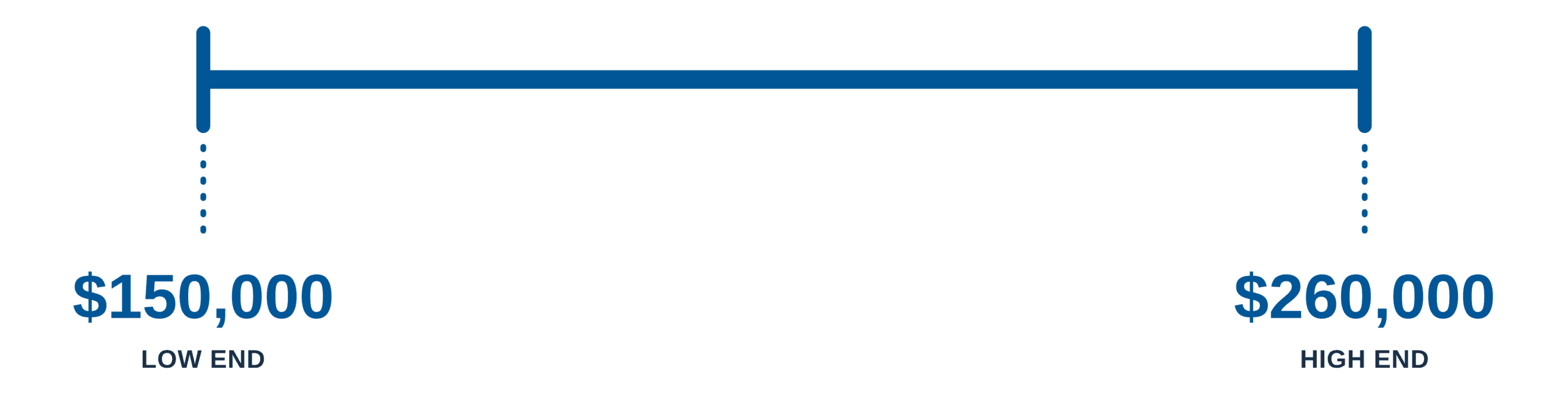
General pediatrician compensation typically ranges from $150,000 to $260,000 annually, with earnings varying based on factors such as geographic location, practice setting, patient volume, call responsibilities, and schedule structure.
Common Compensation Models
BASE SALARY + PRODUCTION
Income Structure
Guaranteed base salary plus production-based pay (RVUs or collections)
Income Stability
Additional earnings possible, but partly variable and dependent on output
Common Settings
Widely used in both hospital-employed and private practice settings; incentive terms vary by employer
Notes
Bonuses typically begin after productivity thresholds are met, and private practices may later offer partnership-based compensation.
GUARANTEED SALARY
Income Structure
Fixed annual salary regardless of productivity
Income Stability
Stable and predictable income
Common Settings
Common in academic medicine and some private practice settings
Notes
Common starting compensation model for partnership-track physicians before transitioning to ownership.
Common Benefits
Signing Incentives
Continuing Medical Education
Production Bonuses
Retirement Plan
Relocation Assistance
Paid Malpractice
PTO (3+ Weeks)
Health Insurance
Student Loan Assistance
Practice Types
Many pediatricians divide their time between outpatient care and, in some settings, inpatient or newborn rounding responsibilities. Their work focuses on preventive care, wellness visits, developmental screening, chronic disease management, and treatment of common childhood illnesses.
- Private Practices
- Group Pediatric Practices
- FQHC (Federally Qualified Health Centers)
- Hospitals and Health Systems
- Academic Medical Centers
- Urgent Care




Loan Forgiveness & Career Incentives
Many pediatricians may qualify for federal and state loan repayment programs based on their employer, location, and commitment to underserved populations.
Programs may include:
Pediatric Recruitment Expertise
Our recruiters connect General Pediatricians, Pediatric Subspecialists, and Advanced Practice Providers with rewarding career opportunities across a variety of practice settings. Explore the specialty that best aligns with your professional goals.
FAQS
Gain insights from our experienced pediatric recruitment team. Our recruiters specialize in physician careers and have provided answers based on their firsthand knowledge of the pediatric job market, common career questions, and what physicians should consider when exploring new opportunities.
Connect With ETS Pediatric
ETS Pediatric connects general pediatricians with career opportunities nationwide by matching them with organizations that align with their experience, career goals, and professional preferences. Our account executives specialize by region, providing valuable insight into local markets, healthcare systems, practice settings, and available opportunities. Through a confidential conversation, your recruiter will take the time to understand your clinical interests, preferred practice environment, compensation goals, and long-term objectives to help you find opportunities that are the right fit for your career.
About Specialties
Definition: Family medicine physicians care for people of all ages, including children, so they often fill a primary care role that overlaps with general pediatrics. Their work includes well-child visits, vaccines, minor illness treatment, chronic disease management, and referrals when a child needs a specialist.