


Pediatric Subspecialists
At ETS Pediatric, we work closely with pediatric subspecialists to help them find opportunities that align with both their professional goals and personal priorities. Whether that means finding stronger clinical support, increased procedural opportunities, a collaborative multidisciplinary environment, academic involvement, or a practice setting that feels like the right long-term fit, our focus is helping physicians navigate the market with confidence.
Stages of a Pediatric Subspecialist's Career
Understanding where a pediatric subspecialist is in their career helps us better align opportunities with their professional objectives and lifestyle preferences. At ETS Pediatric, we work with pediatric subspecialists as a career-long resource and support physicians at every stage of their career, from training through early practice, leadership, and long-term career transitions.
The typical pathway to becoming a pediatric subspecialist includes:
- Bachelor’s degree (4 years)
- Medical school (4 years)
- Pediatrics residency (3 years)
- Pediatric fellowship training (3-4 years, depending on subspecialty)
- Board certification and licensing exams
Pediatric Salary and Compensation
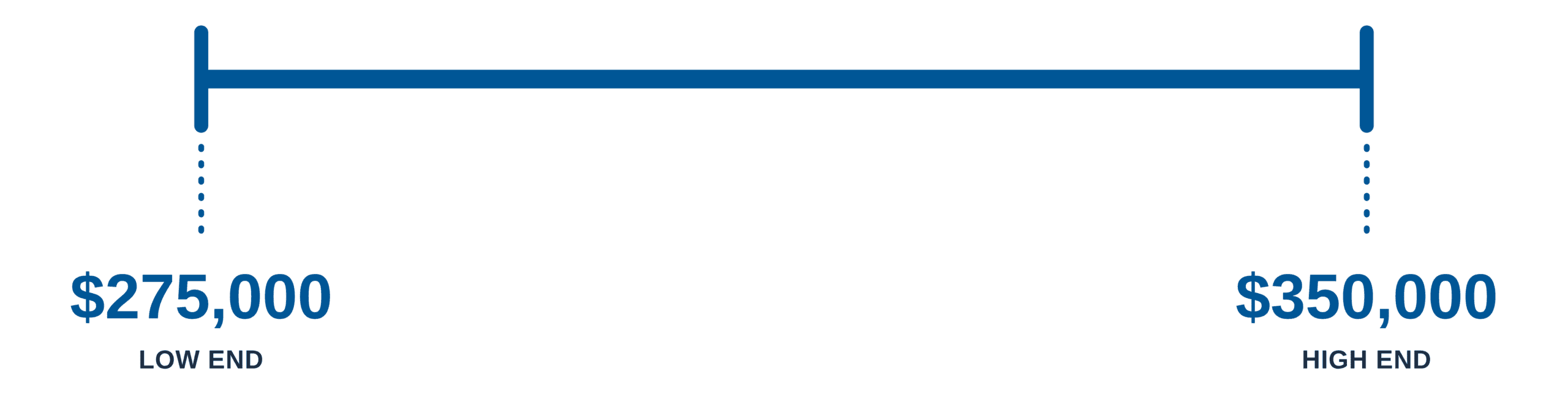
Pediatric subspecialists compensation typically ranges from $275,000 to $350,000 annually, with earnings varying based on factors such as geographic location, practice setting, patient volume, call responsibilities, and schedule structure.
Common Compensation Models
BASE SALARY + PRODUCTION
Income Structure
Base salary plus productivity-based incentives, such as RVUs or bonus structures
Income Stability
Guaranteed base income with additional compensation tied to productivity
Common Settings
Common in both academic and hospital-employed settings; productivity weighting varies by specialty and employer
Notes
Compensation may vary based on the subspecialty, employer, and how heavily productivity is weighted in the overall compensation structure
GUARANTEED SALARY
Income Structure
Fixed annual salary without productivity-based incentives
Income Stability
Provides stable and predictable income regardless of productivity
Common Settings
More commonly found in academic medicine and government-employed positions
Notes
Often paired with research, teaching, or administrative responsibilities as part of the physician's overall role
Common Benefits
Signing Incentives
Continuing Medical Education
Production Bonuses
Retirement Plan
Relocation Assistance
Paid Malpractice
PTO (3+ Weeks)
Health Insurance
Student Loan Assistance
Practice Types
Pediatric subspecialists typically practice in specialized outpatient clinics, hospitals, academic medical centers, or a combination of settings. Their practice structure can vary depending on their subspecialty, with some focusing primarily on outpatient consultations and ongoing care, while others have inpatient, procedural, or consultative responsibilities.
- Private Practices
- Outpatient Specialty Clinics
- Community Hospitals
- Children’s Hospitals (inpatient and outpatient)
- Academic Medical Centers
- Rural and Underserved Healthcare Systems




Loan Forgiveness & Career Incentives
Pediatric subspecialists may qualify for federal, state, or employer-sponsored loan forgiveness and repayment programs based on their specialty, practice location, employer, and commitment to serving underserved communities.
Programs may include:
Pediatric Recruitment Expertise
Our recruiters connect General Pediatricians, Pediatric Subspecialists, and Advanced Practice Providers with rewarding career opportunities across a variety of practice settings. Explore the specialty that best aligns with your professional goals.
FAQS
Gain insights from our experienced pediatric recruitment team. Our recruiters specialize in pediatric subspecialist careers and provide answers based on their firsthand knowledge of the subspecialty job market, common career questions, and what physicians should consider when exploring new opportunities.
Connect With ETS Pediatric
ETS Pediatric connects pediatric subspecialists with career opportunities nationwide, matching them with organizations that fit their experience, goals, and preferences. Our account executives specialize by region, offering local market insight into healthcare systems, practice settings, and available roles.
Use the map below to explore opportunities by location, then reach out to your recruiter for a confidential conversation about your next career move.